Your Cart is Empty
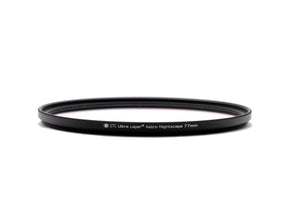
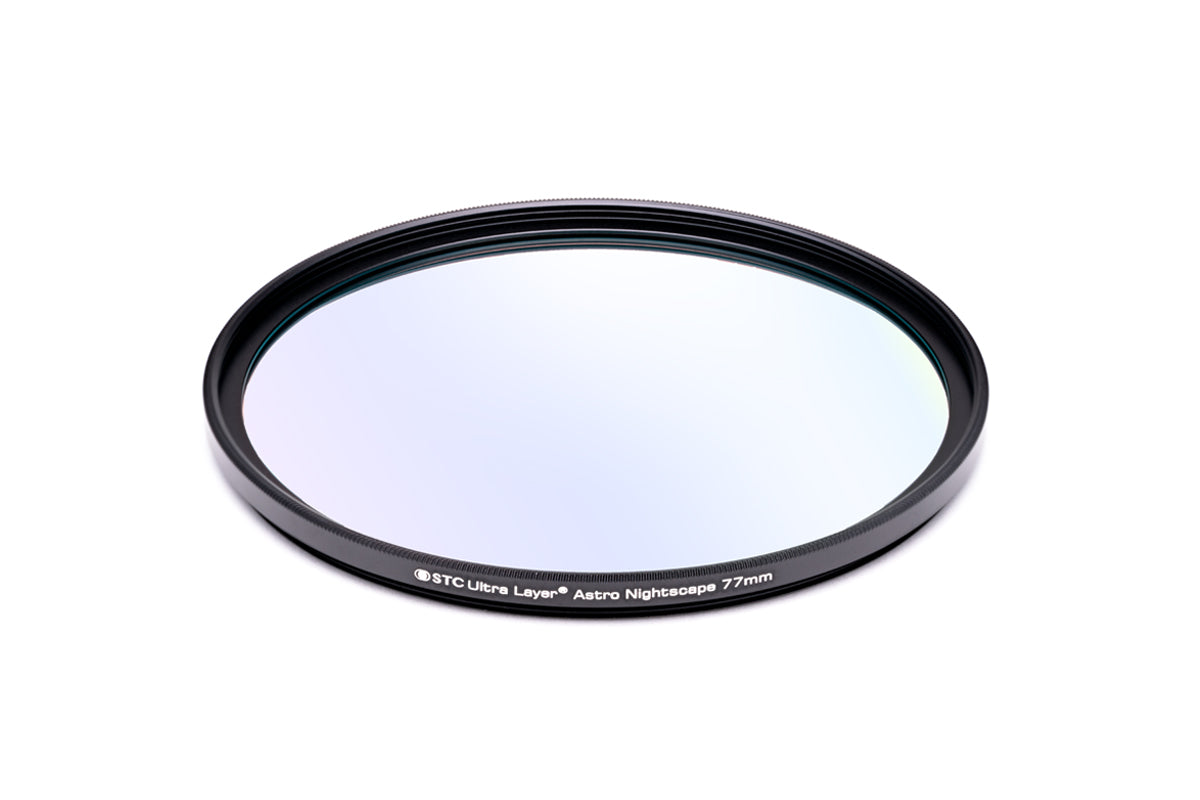
Are you just starting out in astrophotography in an area with moderate to light urban light pollution? (Bortle Scale 3–6) STC's Astro Nightscape filter is a good place to begin.
Urban light pollution forces astrophotographers to drive hours or trek up a mountain to get a clear view of the night sky. Complex post-production techniques and expensive equipment are barriers to astrophotography.
As a result, low-income students and young adults, women, people of color, persons living outside the United States, and the working class don't get an opportunity to be inspired by physics or astrophotography.
As a BIPOC-owned business, we asked ourselves how we can help correct the underrepresentation in astrophotography and physics. The Astro Nightscape filter is our first attempt to build an introductory level light pollution filter.
Highlights
Features
Frequently Asked Questions
What Bortle scale is this filter designed for?
The Astro Nightscape (NS) filter is ideal for Bortle scale 3–6 areas — moderate to light urban light pollution. For darker skies, consider STC's other astro filter options.
What focal length is recommended?
Recommended for telephoto lenses of focal length 60mm and greater. For wider lenses, consider STC's clip filters (recommended for focal length 14mm full-frame and above).
What glass is used in this filter?
0.5mm Schott B270 optical glass with IBAD (ion beam-assisted deposition) coating. The super flat surface supports clear imaging at 8K and with 1200mm high-magnification telescope lenses.
Is there a clip filter version available?
Yes. Clip filter versions are available for Canon, Nikon, Sony, Fujifilm, Pentax, Olympus, Panasonic, Blackmagic Pocket Cinema Camera, and Z Cam E-2.
Is this filter covered by a warranty?
Yes. STC offers the world's first global warranty for filters, covering this filter against manufacturing defects.

As well as reflecting back common light pollution, the Nightscape filter permits more light from the ground than our Multispectra Filter. This makes it suitable for night shooting in the suburbs with slight light pollution and relatively short exposure time. Avoids the red color shift in cosmic spectra from purple glass light pollution filters. The more natural colors give a better balance between landscape and nightscape.

These are common types of light pollution:

We used IBAD (ion beam-assisted deposition) to coat the optical film on Schott B270 glass for the best transmission and durability. While the filter blocks common sources of light pollution, it also allows through around 30% of ground light. This allows for night scenes with more natural colors, reducing the work and difficulty of post-production.
Notes
|